 blog
blogDreaming of the Pyramids? You aren’t alone. As you prepare for the trip of a lifetime, it is easy to get lost in the excitement of pharaohs, temples, and Nile cruises. However, a little practical preparation goes a long way in a country that moves to its own unique rhythm. To help you navigate the Land of the Pharaohs with confidence, we have compiled the 5 essential things to know before traveling to Egypt, ensuring your journey is as smooth as it is unforgettable.
From navigating the visa process to mastering the art of “baksheesh,” here is your survival guide for a stress-free Egyptian adventure.
1. The Visa is Easier Than You Think (But Bring Cash)
Many travelers stress about getting their papers in order, but for most Western tourists, entering Egypt is surprisingly straightforward.
- The Visa on Arrival: If you hold a passport from the USA, UK, EU, Canada, or Australia, you do not need to apply months in advance. You can simply land at Cairo International Airport, walk to the bank kiosks before passport control, and purchase a visa sticker.
- The Critical Rule: The cost is $25 USD, and it must be paid in cash (USD or Euros). Credit cards are rarely accepted at these specific kiosks.
- The E-Visa Alternative: While an online E-Visa is available, the portal can sometimes be glitchy. For peace of mind, the Visa on Arrival is often faster and more reliable.
2. Cash is King—and “Small Change” is Queen
While credit cards are accepted at luxury hotels and major temple ticket offices, the real Egypt runs on cash. You will need Egyptian Pounds (EGP) for taxis, markets, cafes, and tips.
- The ATM Trap: When you withdraw money, ATMs often dispense large 200 EGP notes. These are notoriously difficult to break at small shops.
- The Strategy: Break your large bills at your hotel reception or a supermarket immediately. Always keep a stash of 10, 20, and 50 EGP notes. In Egypt, having exact change is a superpower.
3. “Baksheesh” is a Language of Its Own
Tipping, known locally as Baksheesh, is not just a reward for good service; it is a fundamental part of the culture and economy. You will be expected to tip for services that might be free back home, such as bathroom attendants or someone handling your luggage.
- Don’t Be Annoyed: View it as a small, direct contribution to the local community.
- Typical Amounts:
- Bathroom Attendant: 10–20 EGP.
- Luggage Porter: 30–50 EGP.
- Driver/Guide: Tipping is customary at the end of a tour (usually 10-15% of the cost).
4. Don’t Drink the Tap Water (Seriously)
Nothing ruins a trip faster than “Pharaoh’s Revenge” (an upset stomach). The bacteria in Egyptian tap water are harmless to locals but can wreak havoc on foreign systems.
- The Golden Rule: Drink only sealed bottled water. Check the seal before you open it (to ensure it hasn’t been refilled).
- Go the Extra Mile: Use bottled water for brushing your teeth as well. It may feel paranoid, but it is the best insurance for your health.
- Ice: Avoid ice in drinks at street stalls. High-end hotels produce their own ice with filtered water, which is generally safe.
5. Pack Your Patience and a “Polite No”
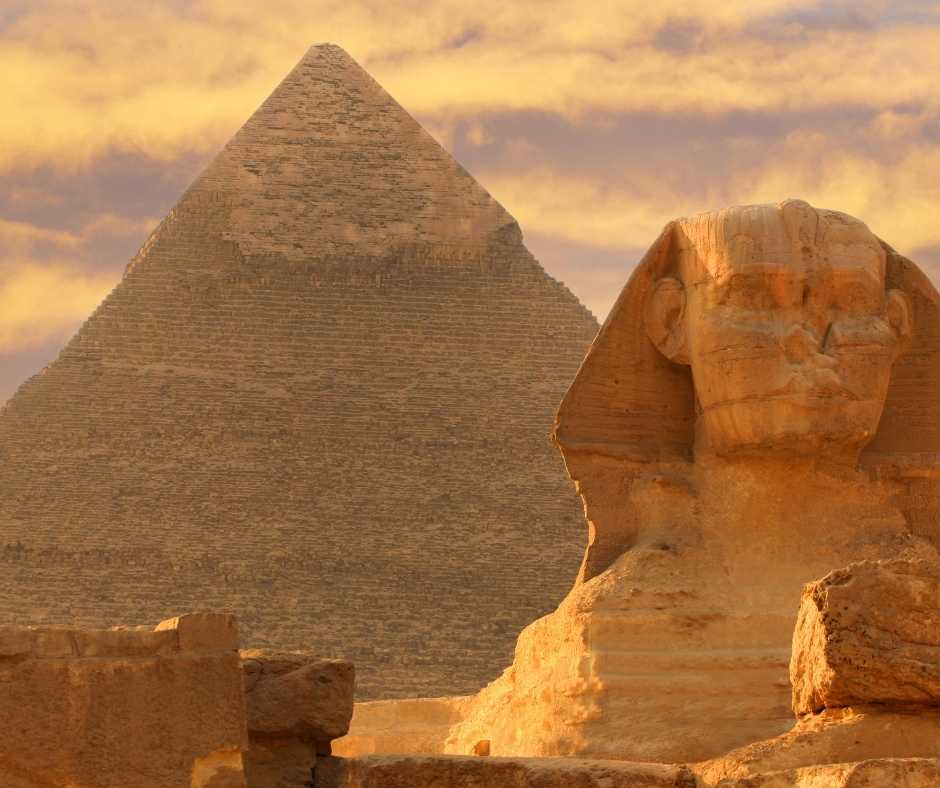
Egypt is an intense sensory experience. In tourist hubs like the Giza Pyramids or Luxor, you will likely be approached by vendors selling souvenirs, taxi rides, or camel tours. This can be overwhelming for first-timers.
- The Magic Words: “La Shukran” (No, thank you).
- Body Language: Say it firmly, with a smile, and keep walking. Do not stop to look at the merchandise unless you intend to buy.
- The Mindset: Remember that these vendors are just trying to make a living. A little humor and patience will keep your stress levels low and your experience positive.
Ready for the Adventure?
Knowing these five tips separates the tourists from the travelers. Egypt is safe, welcoming, and awe-inspiring, provided you respect its rules and flow with its energy.
Pack your sunglasses, bring your small bills, and get ready to walk through history.


