
 blog
blogIf the chaotic energy of Cairo is the beating heart of modern Egypt, then the south is undoubtedly its soul. As you leave the hum of the capital behind and travel toward the Upper Nile, the landscape begins to soften into a rhythmic tapestry of emerald palms against golden sandstone. For anyone seeking the true essence of the pharaohs, Luxor & Aswan: The Peaceful Heart of Ancient Civilizations offers a sanctuary where time doesn’t just slow down—it seems to stand still. In 2026, these twin cities will remain the definitive destination for travelers who want to do more than just see history; they want to breathe it, far away from the modern world’s frantic pace.
Luxor: The World’s Greatest Open-Air Museum
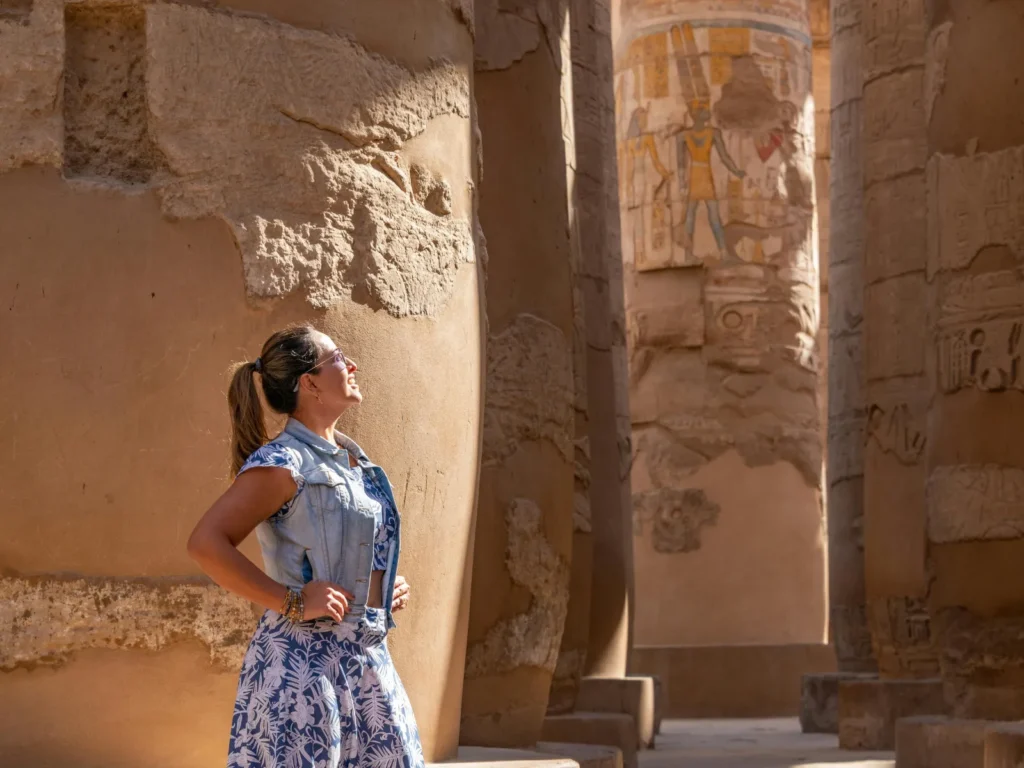
Stepping into Luxor is like walking through the pages of a living history book. Divided by the life-giving waters of the Nile, the city is split into the East Bank—the land of the living—and the West Bank—the land of the dead. On the East Bank, the Karnak Temple Complex defies human scale. As you walk through the Great Hypostyle Hall in 2026, the recently restored colors on the soaring columns look as though they were painted only yesterday, a testament to the ongoing conservation efforts that make every visit here feel like a discovery.
Across the water, the West Bank holds the secrets of the New Kingdom. The Valley of the Kings continues to be the centerpiece of any Egyptian journey, and 2026 brings an extraordinary milestone: the full reopening of the Tomb of Amenhotep III (KV22). After two decades of meticulous restoration, visitors can finally descend into the “Magnificent” Pharaoh’s final resting place, marveling at celestial ceilings and vibrant murals that have been hidden for a generation. To truly appreciate the scale of this ancient necropolis, a sunrise hot air balloon ride is essential. Floating silently over the Colossi of Memnon as the first rays of light hit the Temple of Hatshepsut is an emotional experience that words rarely capture.
Aswan: A Symphony of Granite and Gold
If Luxor is about the grandeur of power, Aswan is about the serenity of spirit. Named the “D-8 Tourist City of the Year” for 2026, Aswan has earned international acclaim for its commitment to sustainable tourism and the preservation of its unique Nubian heritage. Here, the Nile is at its most beautiful, carving its way through giant granite boulders and lush botanical islands. Life in Aswan moves to the gentle creak of a felucca sail. There are few greater luxuries in travel than spending an afternoon on a traditional wooden sailboat, watching the white egrets dance over the water as the sun dips behind the Aga Khan Mausoleum.
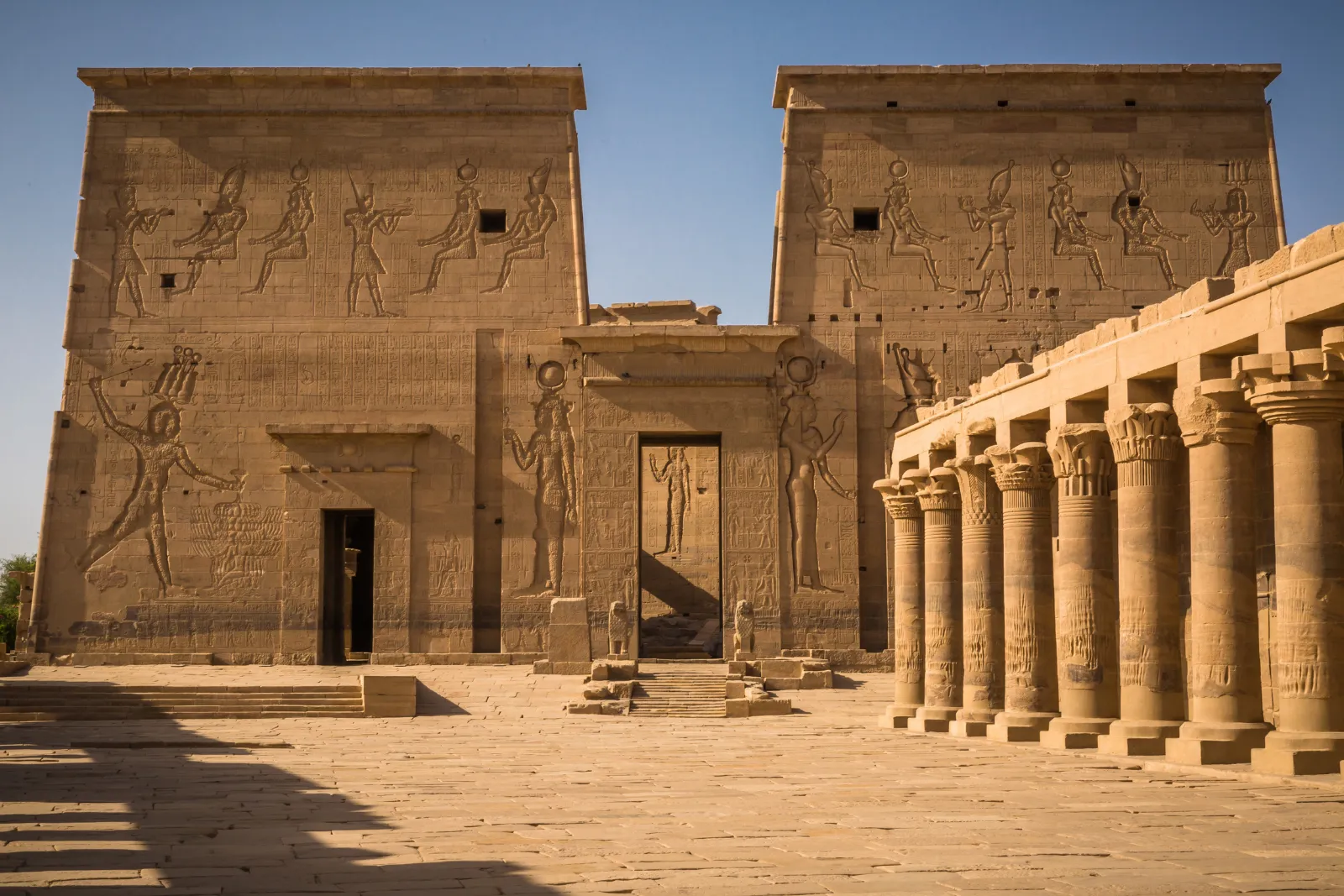
The spiritual heart of Aswan is the Philae Temple, dedicated to the goddess Isis. Reached only by boat, the temple appears to float on the water like a mirage. In 2026, the evening Sound and Light show at Philae has been updated with new projection technology, telling the story of the temple’s dramatic rescue from the rising waters of the High Dam in a way that feels more immersive than ever. For those with an extra day, the journey south to Abu Simbel remains a non-negotiable pilgrimage. Whether you attend the Sun Festival in February or October—where the sun aligns perfectly to illuminate the inner sanctum—the sheer audacity of Ramses II’s mountain-cut temples is enough to humble even the most seasoned traveler.
Navigating the South: Practical Wisdom for 2026
Traveling through Upper Egypt in 2026 requires a bit more foresight than in previous years, but the rewards are well worth the planning. A significant change this year is the introduction of visitor caps in the Valley of the Kings to preserve the delicate microclimate of the tombs; daily entry is now limited to 1,000 visitors in the morning and 1,000 in the afternoon. Pre-booking your tickets through official digital portals or a trusted tour operator is now a mandatory part of the journey.
Weather remains the most important factor in timing your visit. The “Golden Window” is between October and April, when the daytime temperatures are a comfortable 25°C (77°F), perfect for long hours spent exploring the dusty paths of the Theban Hills. If you are visiting in the shoulder months of May or September, prioritize early morning starts—there is a profound peace in being the first person to enter a tomb at 6:00 AM, experiencing the silence of the ancients before the desert heat and the crowds arrive.
Frequently Asked Questions
How do I get from Luxor to Aswan?
The most romantic and luxurious way is via a Nile Cruise or a private dahabiya, which typically takes 3 to 4 nights. For those on a tighter schedule, the 1st class train takes about 3.5 hours and offers a scenic look at the rural Egyptian countryside.
Is it safe to visit the markets (Souks) in Luxor and Aswan?
Yes, both cities have vibrant markets that are very safe for tourists. The Aswan Souk is particularly famous for its high-quality spices, hibiscus, and Nubian crafts. While vendors are enthusiastic, a polite “La, shukran” (No, thank you) is always respected.
What is the “D-8 Tourist City of the Year” award?
Aswan was selected by the Developing Eight Organization for its excellence in cultural tourism and heritage protection. For travelers in 2026, this means improved infrastructure, cleaner public spaces, and a greater variety of cultural festivals celebrating local Nubian music and art.
Can I visit the Tomb of Tutankhamun?
Yes, KV62 is open to the public, though it requires an additional ticket separate from the general Valley of the Kings entry. While smaller than other tombs, seeing the young king’s mummy in situ remains a powerful moment for many visitors.
A Timeless Invitation
There is a reason the Nile has been called the “lifeline of civilization” for over five thousand years. In Luxor and Aswan, you aren’t just a spectator; you are part of a continuum that stretches back to the dawn of history. Whether you are sipping tea on the terrace of the Old Cataract Hotel, where Agatha Christie once wrote, or tracing the hieroglyphs of a forgotten queen, the south of Egypt promises a clarity of soul that stays with you long after the desert sand has been brushed from your shoes.


