
 blog
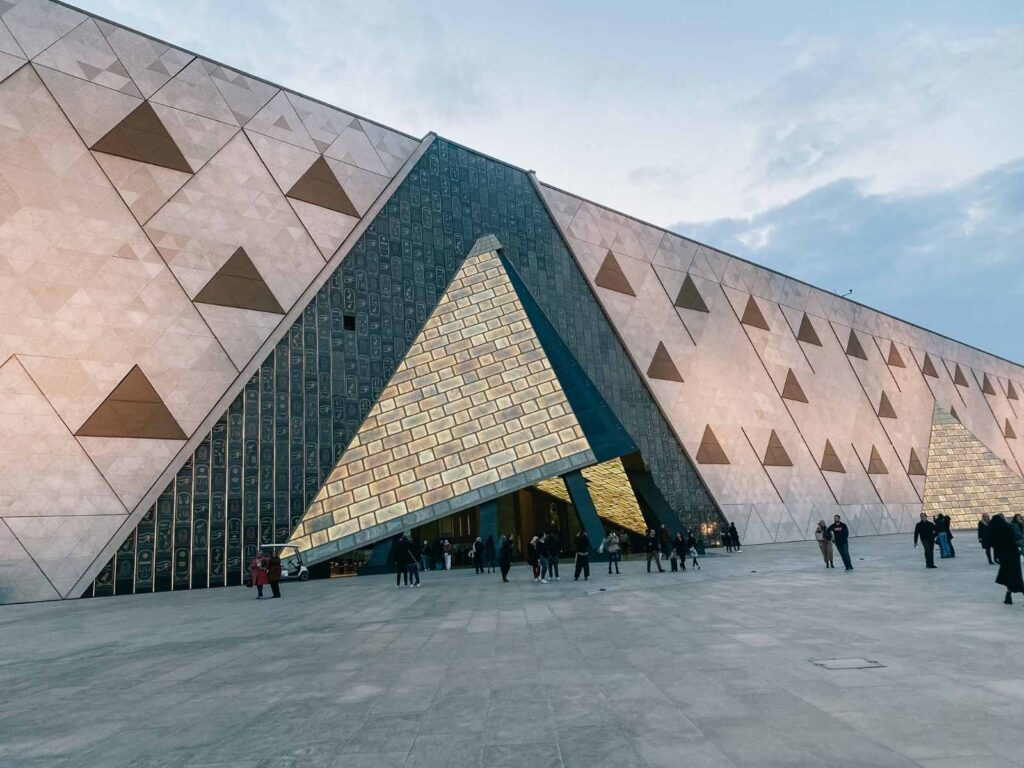
blogFor over two decades, the world has watched a modern monument rise from the sands of Giza, its translucent facade shimmering like a mirage against the backdrop of the Great Pyramids. Now, as we navigate through March 2026, the wait is finally over. The Grand Egyptian Museum (GEM): 2026 Opening Updates confirm that what was once the most anticipated cultural project of the century is now a fully operational reality. Following its historic official inauguration on November 1, 2025, the GEM has opened its massive bronze doors to reveal the full glory of ancient Egypt, curated with a level of technological sophistication and narrative depth that has never been seen before.
A Legacy Reunited: The Tutankhamun Galleries
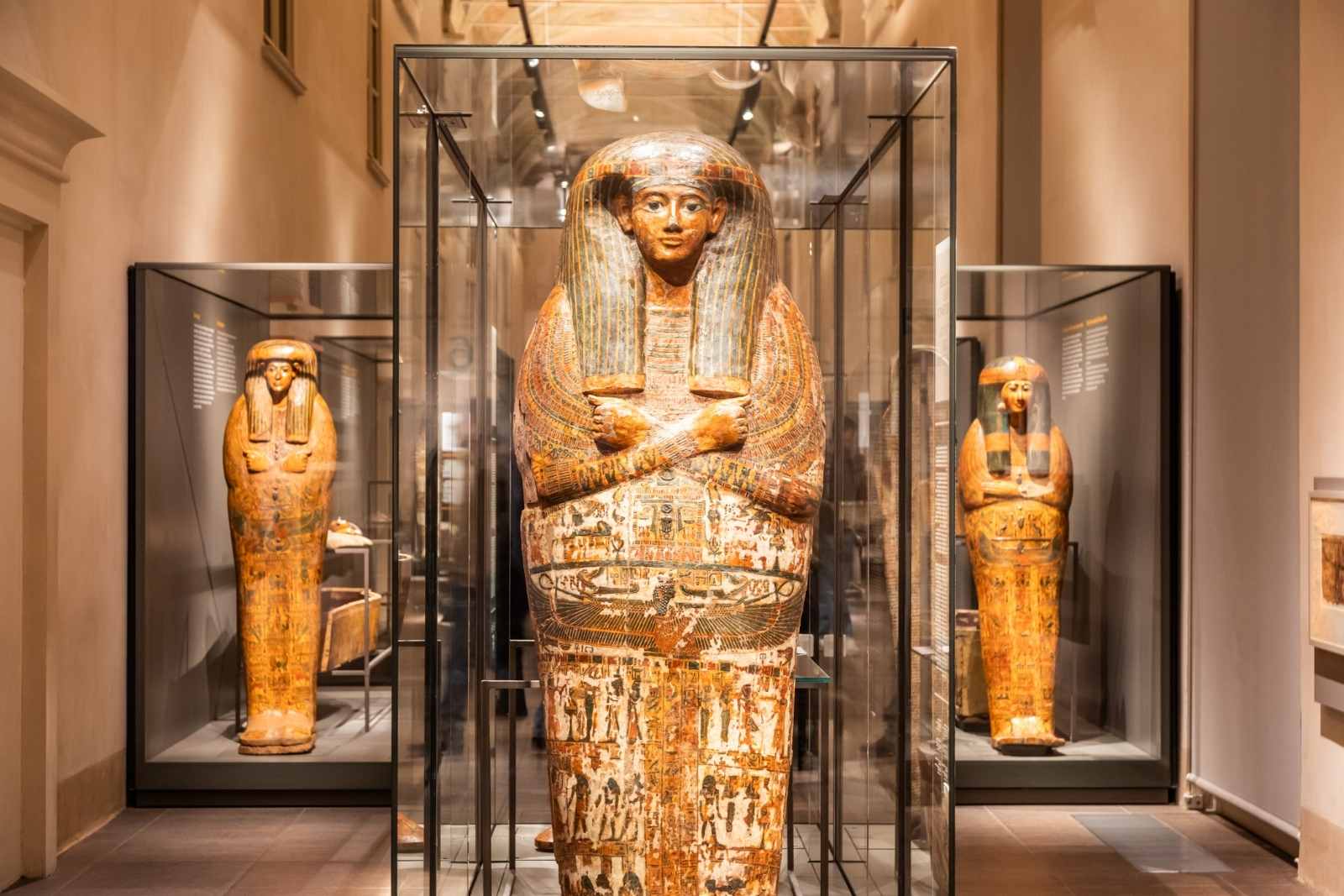
The undisputed crown jewel of the 2026 experience is the Tutankhamun collection. For the first time since Howard Carter stepped into Tomb KV62 in 1922, every single one of the 5,398 artifacts found with the boy-king is displayed in one location. This is a monumental shift from the old Tahrir museum, where only a fraction of the treasures could be seen.
In these custom-designed halls, you can walk a complete chronological path through Tutankhamun’s life, death, and journey to the afterlife. The display of the Solid Gold Funerary Mask has been reimagined for 2026; it is now housed in a high-security “Sanctuary of Light” that allows visitors to walk 360 degrees around the mask, revealing the intricate protective spells engraved on its back—a detail previously hidden from public view. From his childhood chariots to the four nested gilded shrines that protected his sarcophagus, the collection is a breathtaking testament to the artistry of the 18th Dynasty.
More Than Just Statues: The 2026 Visitor Experience
The GEM is not merely a place to look at artifacts; it is an immersive environment designed to make you feel the weight of history. As you enter the Grand Atrium, you are greeted by the 83-ton, 3,200-year-old colossal statue of Ramses II, positioned so that the sunlight touches his face twice a year, mimicking the solar alignment of his temple at Abu Simbel.
Beyond the main galleries, 2026 visitors can explore:
- The Khufu Solar Boat Museum: Housed in a dedicated, high-tech wing, the 4,500-year-old cedar boat has been moved from its original pit at the base of the Great Pyramid. You can now view this “vessel of eternity” from multiple levels, appreciating the ancient naval engineering that allowed a pharaoh to sail through the stars.
- The Grand Staircase: This ascending gallery features 60 monumental statues and architectural fragments, organized by theme rather than date. As you climb, the glass walls reveal the Giza Pyramids themselves, creating a visual bridge between the treasures inside and the monuments outside.
- Immersive Digital Halls: Using state-of-the-art VR and augmented reality, the museum offers “time-travel” experiences where you can witness the construction of the pyramids or the funeral procession of a king, making history accessible to younger generations and tech-savvy explorers.
Essential Logistics for Your 2026 Visit
To ensure a seamless experience at the world’s largest archaeological museum, a few modern rules are now in place. As of early 2026, all international tickets must be purchased online in advance through the official portal (visit-gem.com). On-site ticket booths are a thing of the past for foreign visitors, a move intended to manage the significant daily crowds and ensure everyone has enough space to enjoy the exhibits.
The current 2026 pricing for international visitors is EGP 1,450 for adults and EGP 730 for students and children (approximately $30 and $15 USD respectively). The museum is typically open from 9:00 AM to 6:00 PM, with extended evening hours until 10:00 PM on Fridays and Saturdays to accommodate the vibrant Cairo weekend crowd. A dedicated “Grand Promenade” now connects the museum directly to the Giza Plateau, allowing you to walk or take an electric shuttle between the museum and the pyramids in under 10 minutes.
Frequently Asked Questions
Is the entire museum open to the public now? Yes. As of March 2026, all 12 main galleries, the Tutankhamun wing, the Solar Boat museum, and the children’s museum are fully open.
Can I still see the Royal Mummies at the GEM? No, the 22 Royal Mummies remain at the National Museum of Egyptian Civilization (NMEC) in Fustat. While the GEM focuses on objects and history, the NMEC remains the dedicated resting place for the mummies themselves.
How much time should I allocate for a visit? The museum is vast—roughly the size of 70 football fields. A “highlights” tour takes about 3 to 4 hours, but true history buffs will want to dedicate a full day (6 to 7 hours) to truly absorb the depth of the collection.
Is the Grand Egyptian Museum accessible for those with mobility issues? Absolutely. The GEM was built to international accessibility standards, featuring wide ramps, elevators, and specialized sensory tours for visitors with disabilities. It is the most accessible cultural site in Egypt.
A New Era of Discovery
Standing in the Grand Atrium in 2026, you realize that the GEM is more than just a building; it is a gift from Egypt to the world. It marks the moment where ancient heritage meets future technology, ensuring that the stories of the pharaohs will never fade. Whether you are a first-time visitor or a returning Egyptophile, the Grand Egyptian Museum is the definitive reason to make 2026 the year you return to Giza.


