 blog
blogDiscover why meeting the locals in Egypt is the soul of any 2026 trip. Learn about Egyptian hospitality, the “El-Beit Beitak” philosophy, and how to connect authentically.
While the silhouette of the Great Pyramid and the treasures of the newly fully-opened Grand Egyptian Museum (GEM) are undeniable draws, the true magic of the “Mother of the World” isn’t found in stone—it’s found in the people. In 2026, as global travel shifts toward “Transformative Experiences,” meeting the locals in Egypt has emerged as the single most cited reason for the country’s record-breaking 18.5 million visitors. Whether it’s a spontaneous invitation for tea in a Cairo alleyway or a deep conversation with a Nubian boatman in Aswan, the Egyptian brand of hospitality is not just a service; it is a profound cultural philosophy.
As an expert who has navigated the social fabrics of the Nile Valley for years, I can attest that the Egyptian welcome is “Nafs”—a soul-deep generosity that transcends the typical tourist-guide dynamic. In this guide, we will explore the cultural roots of this warmth and how you can authentically engage with the local community during your 2025–2026 adventure.
1. The Philosophy of “El-Beit Beitak” (My House is Your House)
At the core of Egyptian hospitality is the phrase “El-beit beitak.” Unlike Western concepts of privacy, Egyptians view guests as a blessing from God (Rizq). In 2026, even in the bustling tech-hubs of New Cairo, this ancient Bedouin and agrarian tradition remains unshaken.
- The Unspoken Rule: If you are invited into a home, the host will often go to great lengths—sometimes spending beyond their means—to ensure you are fed and comfortable.
- 2026 Context: Modern Egyptian youth are blending this traditional hospitality with a global outlook, often using apps like ITHAKA or Withlocals to offer “Home Dinner” experiences that provide a bridge between cultures.
2. Tea Culture: The Social Glue of the Nile
You cannot claim to have met the locals without sitting for a glass of shai (tea). In every bazaar, workshop, and street corner, tea is the universal icebreaker.
- The “Merchant’s Tea”: In markets like Khan el-Khalili, being offered tea by a shopkeeper is a gesture of goodwill. While it can be a prelude to a sale, in 2026, more artisans are prioritizing “storytelling sessions” where the tea is a vehicle for heritage preservation rather than just a transaction.
- Cultural Tip: Always accept the first cup. Even a few sips show respect for the host’s “Nafs” (spirit).
Comparison: The Tourist Experience vs. The Guest Experience
| Feature | Standard “Tourist” View | Authentic “Guest” Experience |
| Primary Interaction | Tour Guides & Hotel Staff | Neighbors, Artisans, & Families |
| Dining | Buffet Restaurants | Shared “Tablia” (Low Table) Meals |
| Conversation | Historical Dates & Prices | Family, Hopes, and Shared Humour |
| Pace | Rushed / Itinerary-Driven | Slow / “Sisha” & Coffee Moments |
| Language | English (Functional) | Arabic Greetings & Heartfelt Gestures |
3. The “Collectivist” Spirit and Social Resilience
Egypt consistently ranks high in “Social Support” metrics within regional happiness reports. This is due to a collectivist culture where the community acts as a safety net.
- Mutual Help: If you look lost on a street corner in Cairo, don’t be surprised if three different people stop to help you, often debating among themselves to find you the best route.
- EEAT Insight: Sociologists note that the Egyptian “Gada’a” (a mix of gallantry and helpfulness) is a survival trait that has allowed the population to thrive through millennia of change.
4. Where to Meet the Locals Authentically in 2026
To move beyond the “tourist bubble,” you must visit places where life happens naturally.
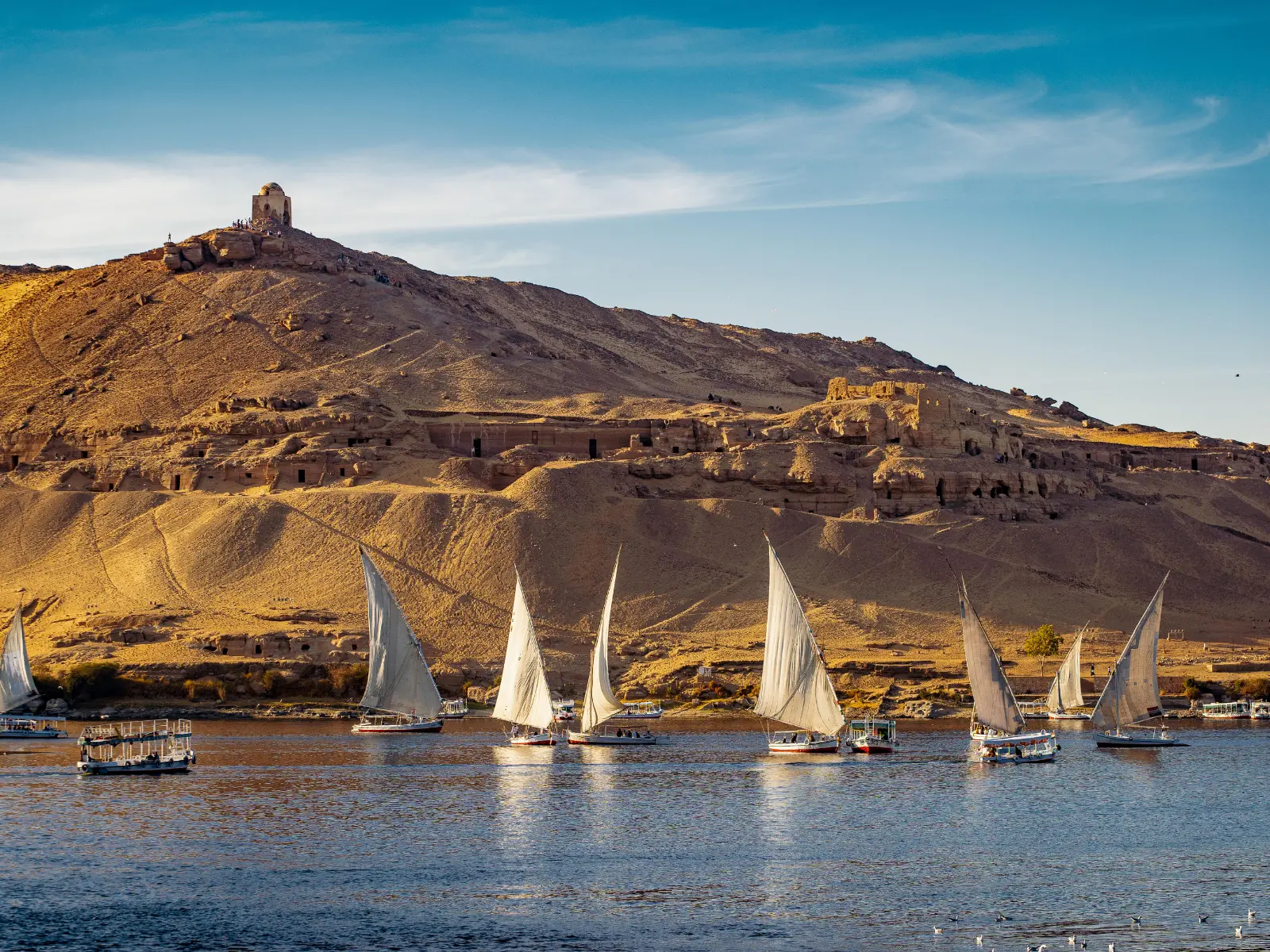
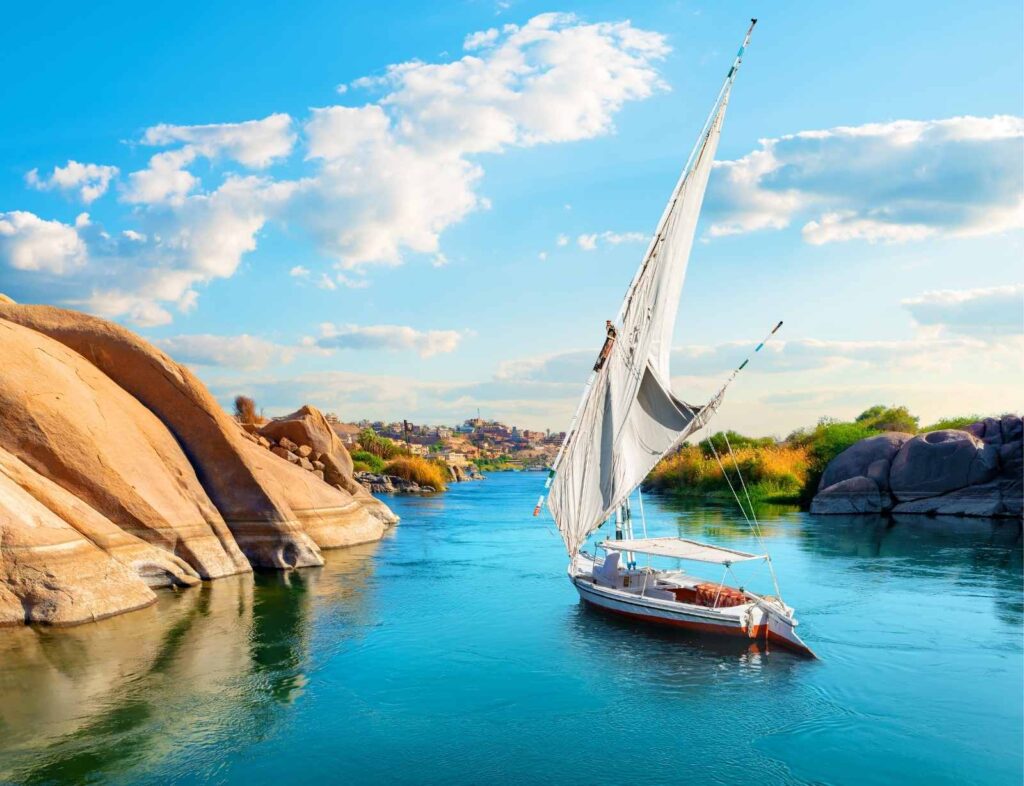
- The Felucca at Sunset (ِAswan/Luxor): Skip the loud motorboats. Hire a traditional wooden felucca. The sailors are often from families that have navigated the Nile for generations and are repositories of local folklore.
- Al-Darb al-Ahmar (Islamic Cairo): Walking through this district allows you to see the “Balanced Tourism Initiative” in action—restored monuments integrated with local workshops where children play and elders sip coffee.
- The “Ahwa” (Local Coffee House): Every neighborhood has an ahwa. In 2026, these remain the “parliaments of the people.” Sitting here with a backgammon board is an open invitation for a local to challenge you to a game.
5. Social Etiquette: How to Be a Gracious Guest
While Egyptians are incredibly forgiving of tourists, showing awareness of local customs will open doors that remain closed to others.
- The Right Hand Rule: Always use your right hand for eating, shaking hands, or passing items.
- Modesty Matters: Especially in rural areas or “Garbage City” (Manshiyat Naser), dressing modestly (shoulders and knees covered) signals that you value the local culture.
- “La Shukran” with a Smile: If you are overwhelmed by vendors, a firm but polite “La Shukran” (No thank you) accompanied by a hand over your heart is the most respected way to decline.
FAQ: Interacting with Egyptians in 2026
Q: Is it safe to accept an invitation to an Egyptian home? A: Generally, yes. It is one of the safest and most rewarding experiences you can have. However, always use common sense. If you are a solo female traveler, it is better to accept invitations from families or women-led households.
Q: Do I need to speak Arabic to connect with locals? A: While many Egyptians in urban centers speak English (and increasingly Chinese or Spanish in 2026), learning a few phrases like “Salaam Alaykum” (Peace be upon you) or “Min fadlak” (Please) goes a long way in showing respect.
Q: What is “Baksheesh” and is it mandatory? A: Tipping (baksheesh) is a social lubricant in Egypt. While not “mandatory,” small tips for services are expected. However, do not confuse baksheesh with genuine hospitality; a local inviting you for tea at their home usually expects nothing but your company.
Q: How do locals feel about the “Grand Egyptian Museum” (GEM)? A: There is immense national pride regarding the GEM. Asking a local their opinion on the museum is a great conversation starter—they will likely tell you about the “New Republic” and their hopes for the future.
Q: What should I bring as a gift if invited to a home? A: Never bring alcohol. High-quality sweets (Oriental pastries like Basbousa or Baklava) or a bag of premium fruit are the standard and most appreciated gifts.
Conclusion: The Soul of Your Journey
In 2026, your photos of the Sphinx will eventually fade, but the memory of a laughing Egyptian family sharing their bread with you will remain vivid. Meeting the locals in Egypt is the bridge that turns a “trip” into a “pilgrimage of the heart.”
By approaching the people of the Nile with an open mind and a respectful spirit, you aren’t just visiting a country; you are joining a family that has been welcoming the world for five thousand years.

