
 blog
blogDiscover the best hidden gems in Cairo for 2026. Explore off-the-beaten-path sites like the Cave Church, Manial Palace, and secret spots beyond the pyramids.
While the Giza Plateau remains the crown jewel of Egypt, savvy travelers in 2026 are looking for hidden gems in Cairo that offer a more intimate, authentic glimpse into the “Mother of the World.” Beyond the towering shadows of the pyramids lies a sprawling megalopolis of 22 million people, where medieval alleyways, forgotten royal palaces, and surreal “cave cathedrals” await those willing to stray from the standard tour bus route. Whether you are a history buff, an architecture enthusiast, or a culture seeker, Cairo’s secret side provides a layer of depth that the typical 48-hour itinerary often misses.
As someone who has spent years navigating the labyrinthine streets of this 1,000-year-old city, I can tell you that the true magic of Cairo isn’t just in its ancient stone; it’s in the juxtaposition of the old and the new. In this comprehensive guide, we will dive deep into the most rewarding off-the-beaten-path experiences that will define your 2025–2026 Egyptian adventure.
1. The Cave Church of St. Simon (Manshiyat Naser)
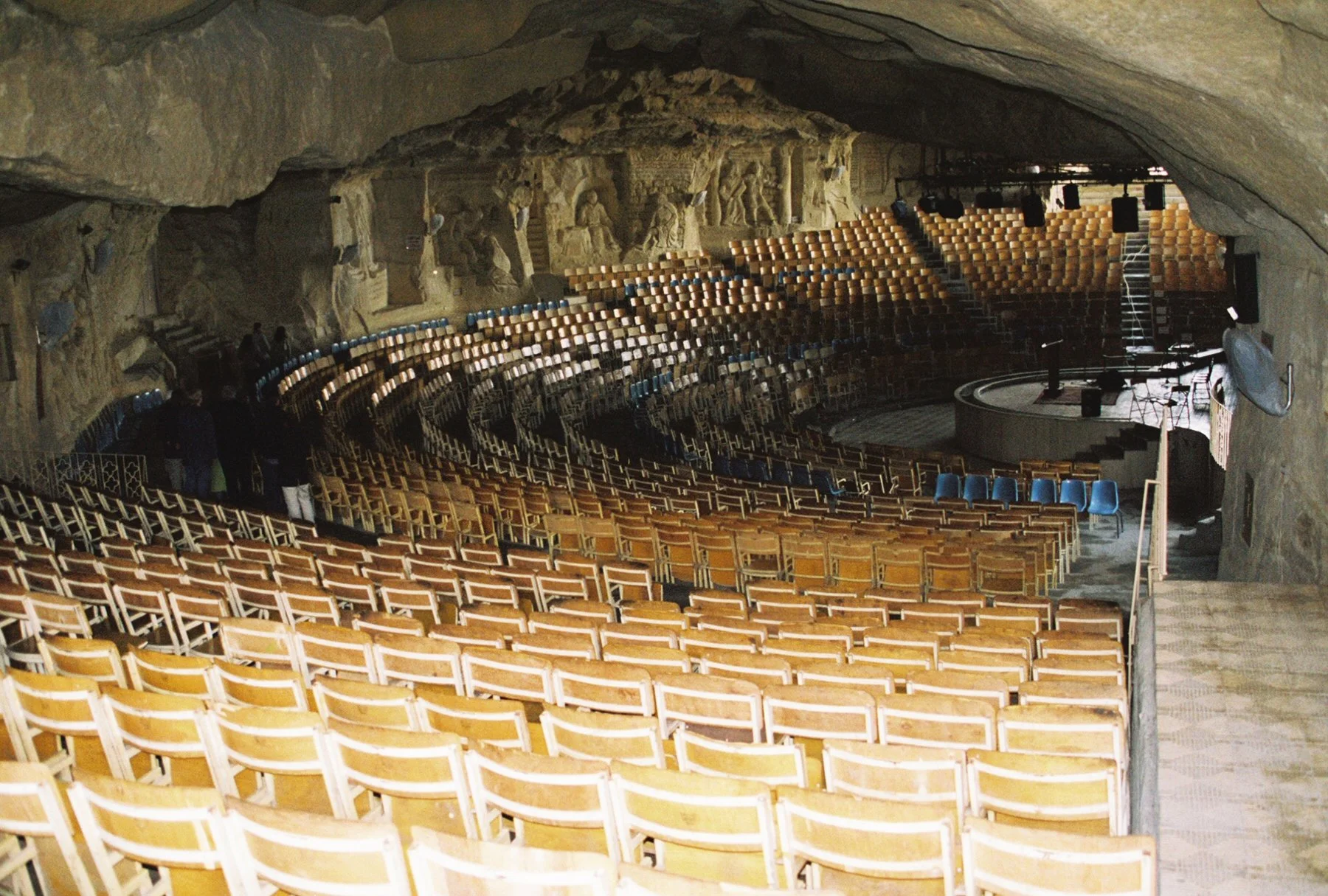
Often overlooked due to its location within “Garbage City,” the Monastery of St. Simon the Tanner is perhaps the most visually stunning of all hidden gems in Cairo. Carved directly into the Mokattam Mountain, this massive amphitheater-style church can hold up to 20,000 worshippers, making it the largest Christian church in the Middle East.
- Why it’s a gem: The sheer scale of the carvings and the resilience of the local Zabbaleen community are humbling.
- Don’t Miss: The “Perception” mural by artist eL Seed, a massive piece of “calligraffiti” spread across 50 buildings that can only be fully seen from certain vantage points on the mountain.
2. The Gayer-Anderson Museum (Bayt al-Kiritliya)
Tucked next to the famous Mosque of Ibn Tulun, this museum is a masterclass in 17th-century domestic architecture. It consists of two 16th and 17th-century houses joined together by a bridge. It was the home of Major R.G. Gayer-Anderson, an Irish doctor and eccentric collector who filled the rooms with orientalist treasures.
- Expert Tip: Film buffs might recognize the roof garden and its intricate mashrabiya woodwork from the James Bond film The Spy Who Loved Me.
- EEAT Insight: Industry experts often rank this as the best-preserved example of Ottoman-era living in Egypt.
3. Manial Palace and Museum
Located on Rhoda Island, the Manial Palace was the residence of Prince Mohammed Ali Tewfik. It is a breathtaking fusion of Ottoman, Moorish, Persian, and European Rococo styles. While the Grand Egyptian Museum (GEM) focuses on Pharaonic history, Manial Palace captures the opulent “Khedivial” era of the early 20th century.
- Must See: The “Throne Hall” and the private botanical garden, which contains rare plants collected by the Prince from all over the world.
Comparison: Popular Icons vs. Hidden Gems
| Feature | Giza Pyramids | Cairo’s Hidden Gems |
| Crowd Density | Extremely High | Low to Moderate |
| Pace of Visit | Fast / Guided | Slow / Immersive |
| Photo Opportunities | Iconic / Scale | Unique / Architectural |
| Interaction | Vendor-Heavy | Authentic Local Exchange |
| Best For | Bucket List | Cultural Deep-Dive |
4. The Nilometer on Rhoda Island
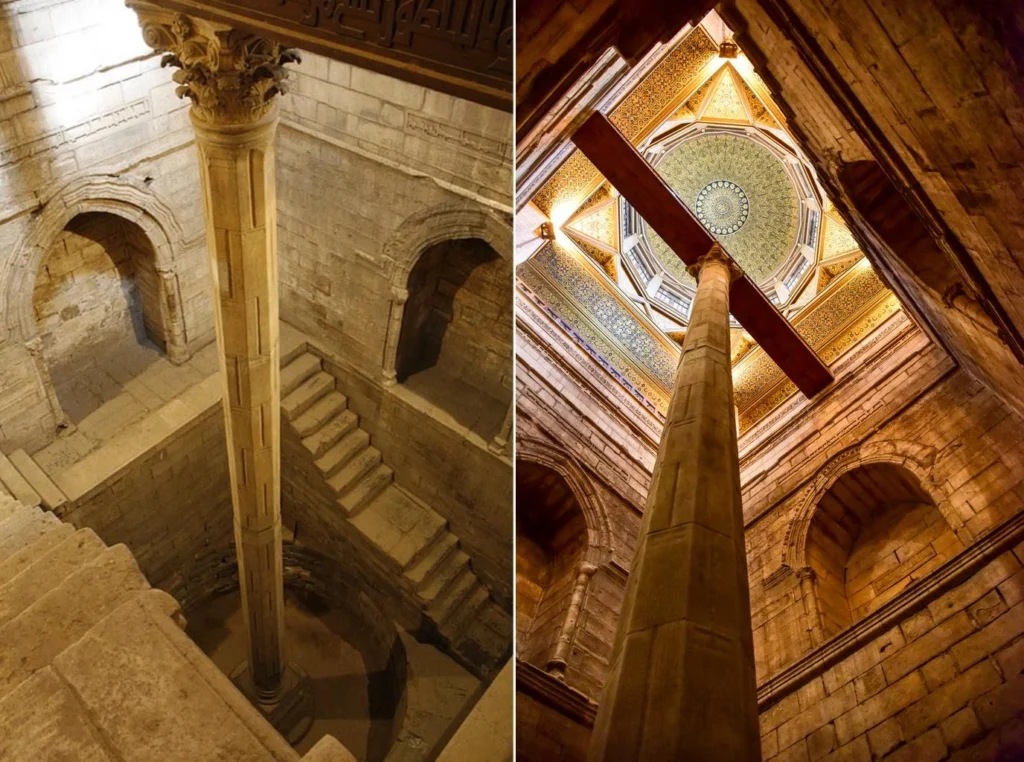
Ancient Egyptians believed the Nile was a god, and the Nilometer was the scientific instrument used to measure its “moods.” Dating back to 861 AD, this stone-lined well features a central column that measured the water level to predict harvests and set taxes. It is a stunning piece of engineering that remains one of the oldest structures in Islamic Cairo.
5. The City of the Dead (Al-Qarafa) & MASQ
The City of the Dead is a four-mile-long necropolis where the living and the dead coexist. While it sounds macabre, it is a vibrant community. In 2026, the Maq’ad of Sultan Qaitbey (MASQ) has emerged as a cultural hub, hosting art workshops, concerts, and glass-blowing demonstrations.
- Insider Tip: Visit on a Saturday for the “Sultan’s Fair” to buy handmade glass and traditional crafts directly from local artisans.
6. Baron Empain Palace (The Hindu Palace)
Standing out like a surreal mirage in the modern neighborhood of Heliopolis, the Baron Empain Palace was inspired by the Hindu temples of Orissa and Cambodia. After a massive restoration completed in recent years, this Belgian-built architectural anomaly is finally open to the public.
- Top Feature: The rooftop offers a 360-degree view of Heliopolis, a district designed to be a “city of luxury and leisure” in the early 1900s.
7. The Tentmakers’ Street (Khayamiya)
Hidden in the heart of Islamic Cairo near Bab Zuweila, the Sharia al-Khayamiya is the last remaining covered market in the city. Here, master craftsmen hand-stitch intricate geometric and floral patterns onto canvas—an art form that dates back to the Mamluk era.
- Why Visit Now? With the rise of mass-produced textiles, supporting these artisans is crucial for the survival of this UNESCO-recognized intangible heritage.
8. Al-Andalus Garden
Located in Gezira (Zamalek), this garden is a quiet oasis away from the Cairo roar. It features Andalusian-style fountains, mosaic benches, and lush greenery overlooking the Nile. It is a favorite for local couples and photographers looking for the “Paris on the Nile” aesthetic.
9. The Rare Books Library (Al-Darb al-Ahmar)
For the bibliophiles, the Alaa El Habashi Rare Books Library is a sanctuary. Located in a restored 17th-century villa, it houses a curated collection of art, architecture, and history books. It’s a quiet place to study the evolution of Cairo’s urban fabric.
10. Aisha Fahmy Palace
This Italianate palace in Zamalek serves as an art center. While the exhibitions are often excellent, the real draw is the interior: silk-lined walls, ornate ceilings, and floor-to-ceiling windows that provide one of the most romantic views of the Nile in the city.
2026 Travel Logistics: Getting Around the Gems
To reach these hidden gems in Cairo, you need to navigate beyond the Metro’s reach.
- Uber/Careem: Still the most reliable and affordable way for tourists to travel between districts like Heliopolis and Old Cairo.
- Private Drivers: For spots like the Cave Church or the City of the Dead, hiring a driver for a half-day is recommended (approx. $30–$50 USD).
- The “Mamsha Masr”: Use the new Nile walkway to transition between Downtown and Zamalek on foot—a rare pedestrian-friendly luxury in 2026 Cairo.
FAQ: Exploring Cairo Off the Beaten Path
Q: Is it safe to visit “Garbage City” and the Cave Church? A: Yes. The community is very welcoming to tourists. However, it is an industrial area focused on recycling, so expect strong smells and narrow, busy streets. Hiring a local guide or driver is recommended for the best experience.
Q: What is the best time to visit hidden spots in Islamic Cairo? A: Early morning (8:00 AM to 10:00 AM) is best to avoid the midday heat and the afternoon prayer crowds. Note that some smaller mosques may close to tourists during Friday prayers.
Q: Do these “hidden gems” have entry fees? A: Most do. In 2026, prices for foreigners generally range from 100 EGP to 300 EGP ($3–$10 USD). Sites like the Nilometer and Gayer-Anderson Museum are significantly cheaper than the Pyramids or the Grand Egyptian Museum.
Q: Can I take photos in these locations? A: Most palaces and museums allow mobile phone photography. For professional cameras/tripods, you may need to purchase an additional “photography ticket” (typically 50-100 EGP).
Q: How do I dress for these non-touristy areas? A: While Cairo is used to tourists, dressing modestly (shoulders and knees covered) is essential for visiting Islamic and Coptic districts to show respect and avoid unwanted attention.
Conclusion: Why the “Hidden Gems” Matter
While the Pyramids of Giza are a testament to where Egypt began, the hidden gems in Cairo are a testament to where Egypt has been and where it is going. From the quiet gardens of Zamalek to the bustling workshops of the Tentmakers, these sites offer a human-centric narrative of a city that never sleeps.
By visiting these lesser-known spots, you aren’t just checking a box on a bucket list; you are contributing to the preservation of local crafts, supporting heritage restoration, and seeing the “real” Cairo that remains long after the Sphinx has faded from view.


