
 blog
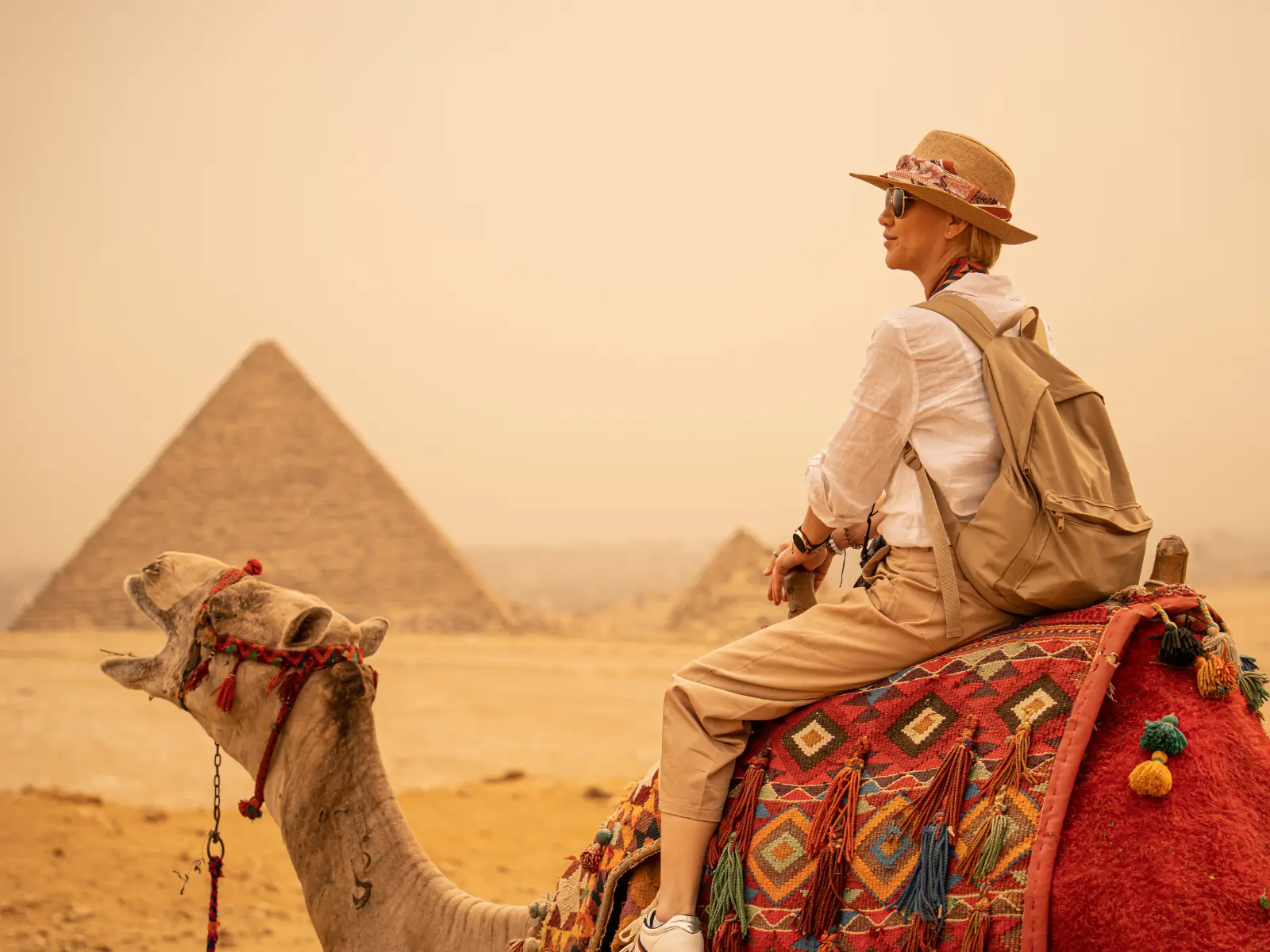
blogStanding at the base of the Great Pyramid of Giza, the weight of four and a half thousand years of history doesn’t just sit in the stones; it hangs in the very air you breathe. It is a place where the sun feels closer, the sand more golden, and the scale of human ambition almost incomprehensibly vast. But for many modern travelers, the awe of the ancient world is often accompanied by a very modern question: How Egypt Protects its Visitors, really?
As you look out across the Giza Plateau in 2026, you’ll notice that Egypt has woven a sophisticated, multi-layered tapestry of security designed to protect both its treasures and its guests. This isn’t just about gates and guards; it is a comprehensive, evolving ecosystem of hospitality and vigilance that ensures your journey to the cradle of civilization is as peaceful as it is profound.
The Guardians of the Plateau: Understanding the Tourism Police
The first thing many visitors notice—and quickly come to appreciate—is the presence of the Tourism and Antiquities Police. Distinguishable by their white uniforms in summer or black in winter, often with a specialized “Tourism Police” armband, these officers are far more than just security personnel. They are a dedicated branch of the Egyptian Ministry of Interior specifically trained to assist international travelers.
Unlike standard police forces, these officers are often multilingual and stationed specifically at heritage sites, museums, and major hotels. Their role is twofold: to provide a visible deterrent to any potential issues and to act as a bridge for tourists. Whether you need directions, help with a persistent vendor, or have a question about site regulations, they are trained to prioritize the visitor’s experience. There is a quiet reassurance in seeing them; they are the “invisible shield” that allows you to focus on the Sphinx’s gaze rather than your surroundings.
A $51 Million Vision: The Modernization of Safety
In recent years, the Egyptian government has undertaken a massive $51 million transformation of the Giza Plateau to modernize the visitor experience. This isn’t just an aesthetic upgrade; it is a fundamental shift in how the site is managed and secured. One of the most significant changes is the introduction of a new, state-of-the-art visitor center and the implementation of a controlled entry system.
Today, the plateau is navigated via eco-friendly electric buses that follow designated routes, significantly reducing the chaotic “free-for-all” of unauthorized vehicles and horses that once characterized the area. By streamlining the flow of people and transport, the authorities have created a more organized and easily monitored environment. Furthermore, the “GEM Walkway”—a 2.5-kilometer pedestrian corridor linking the Grand Egyptian Museum (GEM) to the Pyramids—features advanced surveillance and lighting, ensuring that the transition between these world-class landmarks is seamless and secure.
The Nuance of Safety: Navigating the Human Element
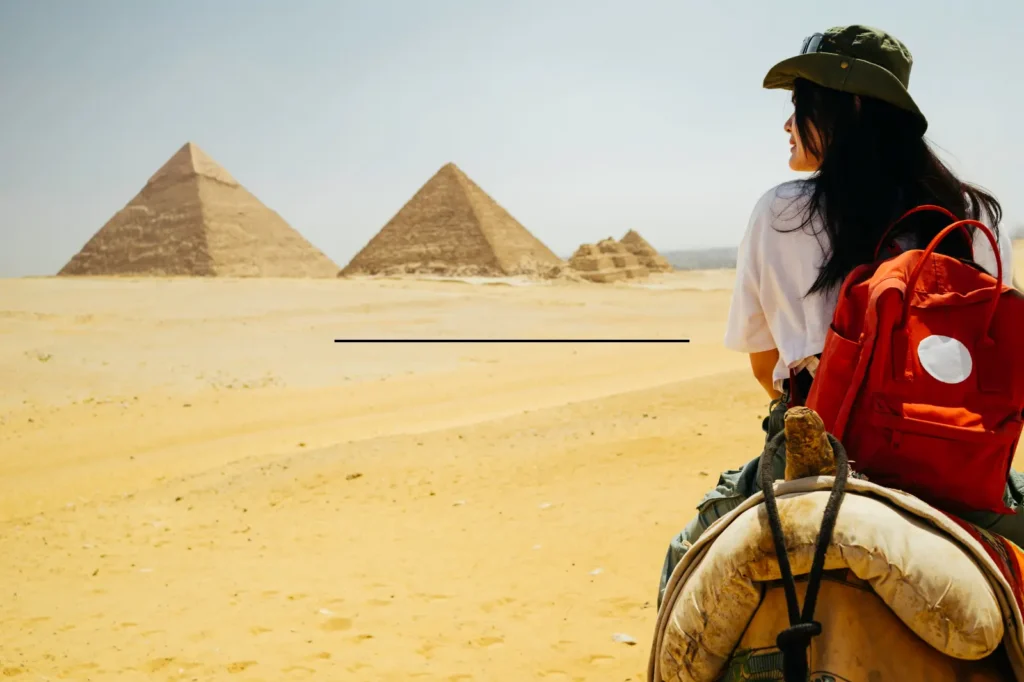
When people ask about security at the Pyramids, they are often thinking about more than just physical safety; they are thinking about the “hassle” of persistent vendors. Egypt has made significant strides here by designating specific zones for souvenir sellers and camel drivers, moving them away from the immediate vicinity of the monuments and the main bus routes.
Safety in Egypt is also a matter of cultural literacy. The most effective security is often your own preparation. When a vendor offers a “free” gift or a photo, a polite but firm “La, Shukran” (No, thank you) accompanied by a smile and continued movement is usually all it takes. By employing reputable, licensed guides who are vetted by the Ministry of Tourism, you gain an extra layer of protection. These guides act as your personal navigators, handling the logistics and interactions so you can simply enjoy the wonder of the site.
Practical Insights for the Modern Traveler
While the Pyramids are the crown jewel, Egypt’s commitment to safety extends far beyond the Giza Plateau. From the moment you land at Cairo International Airport, you will encounter multiple security screenings. While these can feel frequent, they are the backbone of the country’s stability.
- Checkpoints and Visibility: You will notice security checkpoints on highways and at the entrances to all major hotels. These are standard procedures designed to monitor the “tourist corridor” (Cairo, Luxor, Aswan, and the Red Sea resorts) which remains highly protected and distinct from the remote border regions mentioned in government advisories.
- The Power of Reputable Operators: Booking through established travel agencies ensures that your itinerary is filed with the authorities, adding a level of institutional oversight to your movements.
- Digital Connectivity: With the widespread availability of high-speed 5G and tourist SIM cards, staying connected with your embassy’s travel alerts or your tour coordinator is easier than ever.
Frequently Asked Questions
Is it safe for solo female travelers to visit the Pyramids? Yes, many women travel to Egypt solo and have incredible experiences. While you may encounter more attention than in Western countries, sticking to tourist areas, dressing modestly (covering shoulders and knees), and hiring a licensed guide provides a very high level of comfort and security.
How do I handle an emergency at a tourist site? Look for the nearest Tourism Police officer or go to the site’s visitor center. You can also dial 126 from any local phone to reach the Tourism Police directly.
Are the “travel advisories” I see online accurate for Giza? Travel advisories often categorize whole countries, but the reality on the ground in Giza, Luxor, and Aswan is very different from remote border zones. These main tourist hubs are heavily fortified and have not seen significant security incidents in years.
Should I be worried about pickpockets? Violent crime against tourists is exceptionally rare in Egypt. However, like any major global landmark, petty theft can occur. Use a cross-body bag or a money belt in crowded areas like the Khan el-Khalili bazaar.
Your Journey Awaits
The Pyramids are not just ruins; they are a testament to human endurance. In 2026, Egypt invites you to witness that endurance with the peace of mind that comes from world-class protection. The country has invested deeply in its infrastructure, its specialized police forces, and its visitor services because it knows that the greatest gift it can offer the world is the chance to stand before the ancients in safety.
The desert is calling, and the path has never been more secure. Would you like me to help you draft a packing list specifically tailored for a comfortable and culturally respectful visit to the Giza Plateau? click her


