
 blog
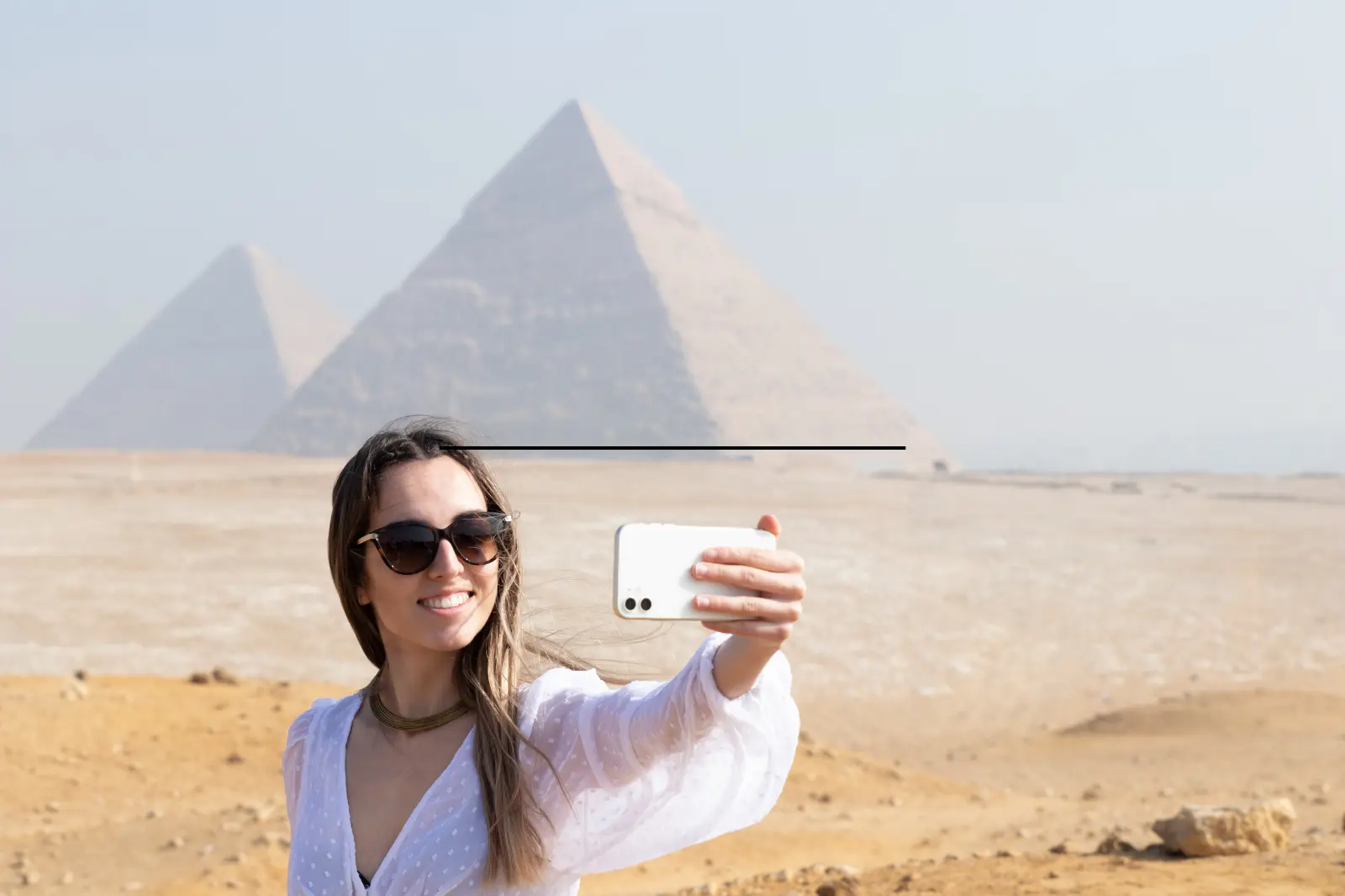
blogThere is a unique thrill in standing alone before the Sphinx as the first light of dawn touches its weathered face, or navigating the labyrinthine alleys of Khan el-Khalili with nothing but your intuition and a map. For many women, Egypt is the ultimate “bucket list” challenge—a destination that promises ancient wonder but often carries a cloud of uncertainty. If you are planning to navigate this majestic land on your own, Solo Female Travel in Egypt: A 2026 Safety Guide is designed to pull back the curtain on the myths and provide a clear-eyed look at the reality of the experience. Traveling solo here isn’t just about seeing the sights; it is about reclaiming the narrative of one of the world’s most misunderstood yet rewarding destinations.
The Cultural Landscape in 2026
As we move through 2026, the atmosphere for solo women in Egypt has become increasingly supportive, largely due to a national push to modernize tourism infrastructure and a growing community of local female entrepreneurs. While official travel advisories still suggest “increased caution,” this is often a reflection of regional politics rather than the day-to-day experience of a woman walking through Cairo or Luxor. Security at major archaeological sites is tighter than ever, and the presence of the Tourist Police provides a visible layer of protection that many solo travelers find reassuring.
However, the “safety” of Egypt for a woman is often tied more to cultural navigation than physical risk. Violent crime against tourists remains incredibly rare. The primary challenge is “the hustle”—the persistent attention from vendors and occasional catcalling. Understanding that this is often a byproduct of a conservative society’s curiosity rather than a threat is the first step toward enjoying your journey. In 2026, you’ll find that a polite but firm demeanor is your most effective tool for setting boundaries while still soaking in the legendary Egyptian hospitality.
Mastering the “Egyptian Uniform”
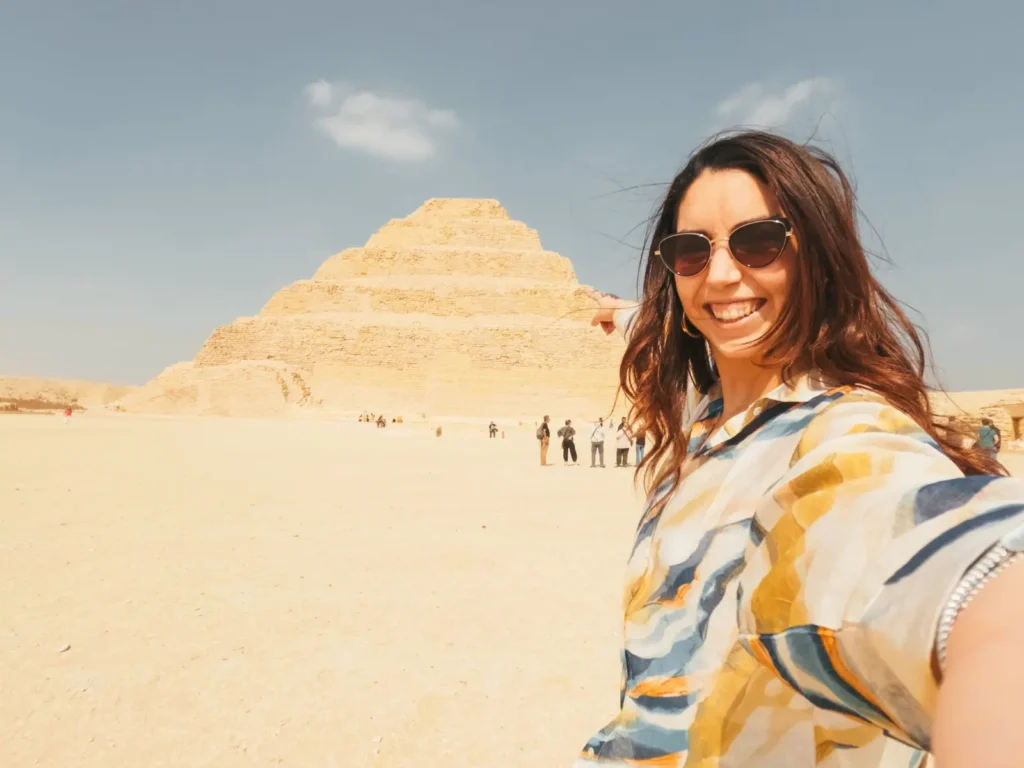
One of the most powerful ways to ensure a smooth journey is through your wardrobe. While Egypt is a secular country and you are not legally required to cover your hair, dressing modestly is a sign of respect that pays dividends in how you are treated. The “Egyptian Uniform” for the modern solo traveler usually consists of loose, breathable fabrics like linen or cotton. Think wide-leg trousers, maxi skirts, and tunics that cover the shoulders and collarbone.
A lightweight pashmina or scarf should be your constant companion; it’s perfect for covering your head when entering a mosque, shielding your skin from the intense 2026 summer sun, or simply adding a layer of modesty if you feel a situation requires it. In beach resorts like Hurghada or Dahab, the rules are significantly more relaxed, and standard swimwear is perfectly acceptable at the pool or private beach. However, as soon as you step into the city streets, returning to that modest silhouette will help you blend in and significantly reduce unwanted attention.
Navigating with Confidence and Tech
How you move through the city is just as important as what you wear. In 2026, the days of haggling with street taxi drivers are largely over for the savvy solo traveler. Ride-sharing apps like Uber and Careem are the gold standard for safety and price transparency in Cairo and Alexandria. These apps allow you to share your live location with a friend and ensure the price is set before you even open the car door.
If you choose to use the Cairo Metro—which is remarkably clean and efficient—be sure to look for the “Women Only” carriages, marked by green signs above the platform. These cars offer a comfortable sanctuary during rush hour, where you can relax among other women. For longer journeys between cities, the high-speed trains and domestic flights remain the safest and most time-efficient options. If you are feeling overwhelmed by the logistics of your first few days, hiring a licensed female Egyptologist guide can be a game-changer; they act as a “cultural shield,” handling the haggling and navigation while giving you the space to actually experience the history.
The Power of the “No”
Communication in Egypt is an art form. You will encounter people who are genuinely eager to help you, and others who see you as a “walking dollar sign.” Learning to distinguish between the two comes with time, but when in doubt, the phrase “La, shukran” (No, thank you) is your best friend. Say it with a smile, don’t break your stride, and don’t feel obligated to continue a conversation if you feel uncomfortable.
Avoiding prolonged eye contact with men you don’t know is another subtle cultural cue; in Western cultures, eye contact is a sign of confidence, but in more traditional parts of Egypt, it can sometimes be misinterpreted as an invitation to further interaction. By keeping your gaze focused on your destination and moving with purpose, you signal that you are a seasoned traveler who knows exactly where she is going—even if you’re secretly checking Google Maps.
Frequently Asked Questions
Is it safe to walk alone at night in Cairo? Major neighborhoods like Zamalek, Maadi, and Garden City are very safe and remain lively well into the night. However, for a solo woman, it is always recommended to use Uber for “door-to-door” service after dark rather than walking through unfamiliar or poorly lit areas.
Do I need to wear a wedding ring to avoid harassment? While some women find that a “travel ring” helps deflect unwanted romantic advances, it isn’t a magic solution. Most Egyptians are respectful of solo travelers regardless of their marital status. If someone asks, a simple “I am meeting my husband/group later” is usually enough to end the inquiry.
Can I visit the Pyramids alone? Yes, you can, but the Giza Plateau is where the “hustle” is most intense. If it’s your first time, you might enjoy the experience more by joining a small group tour or hiring a private guide for that specific day to manage the vendors on your behalf.
How do I handle “Baksheesh” (tipping)? Tipping is a way of life in Egypt. Keep a small stash of 10 and 20 EGP notes handy for bathroom attendants, luggage handlers, or anyone who provides a small service. It is expected, and a small tip often leads to much smoother interactions.
Your Journey, Your Terms
Egypt is a country that rewards the brave. It is a place of sensory overload—the smell of cumin in the air, the call to prayer echoing across the rooftops, and the sheer scale of the ruins that make you feel small in the best way possible. By arriving prepared, dressing with intention, and using the tools of 2026 to your advantage, you aren’t just visiting Egypt; you are conquering it.


