
 blog
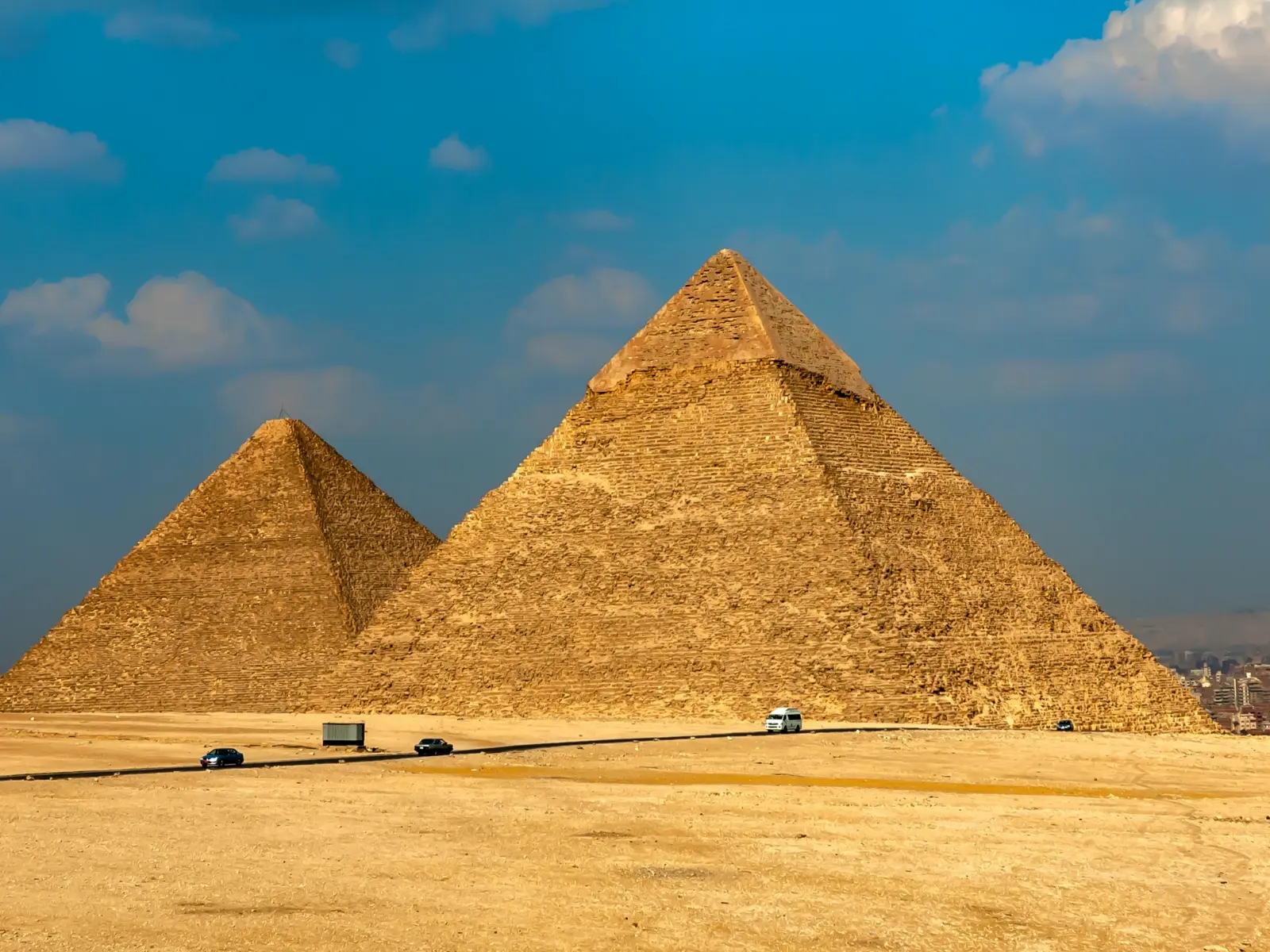
blogThe golden sun dipping behind the Great Pyramid of Giza is a sight that has remained unchanged for millennia, yet the questions travelers ask before witnessing it often shift with the seasons. If you are planning a journey to the Land of the Pharaohs in 2026, you have likely encountered the latest US & UK Travel Advisories for Egypt: What You Need to Know before finalizing your itinerary. Navigating these official updates can sometimes feel like deciphering ancient hieroglyphs, but once you look past the formal language, the reality of traveling to Egypt today is one of vibrant culture, enhanced security, and a hospitality that remains as warm as the Sahara breeze.
Understanding the “Level 2” Reality
As of March 2026, the US Department of State maintains a Level 2 advisory for Egypt, which suggests that travelers should “Exercise Increased Caution.” To a first-time visitor, this might sound daunting, but it is important to put this into perspective. For much of the last decade, many of the world’s most popular destinations—including the United Kingdom, France, and Italy—have frequently held this same classification. In the context of Egypt, this level reflects the government’s commitment to maintaining a high security presence in public spaces, rather than a recommendation to stay away.
The UK Foreign, Commonwealth & Development Office (FCDO) shares a similar stance, highlighting that while the regional geopolitical landscape is complex, the primary tourist hubs remain open and welcoming. When you walk through the bustling Khan el-Khalili bazaar or stand in the shadow of the Karnak Temple, you will notice a visible but reassuring presence of the Egyptian Tourist Police. Their role is specifically to ensure the safety of international guests, making the “caution” mentioned in advisories feel more like a well-organized safety net than an active threat.
The Geography of Safety: Where to Wander
One of the most important aspects of the 2026 travel advisories is understanding that Egypt is a vast country, and the areas of concern are almost always far removed from the places you actually want to visit. The “Do Not Travel” warnings are strictly limited to the Northern Sinai Peninsula and the deep Western Desert near the Libyan border—regions not on the standard tourist itinerary.
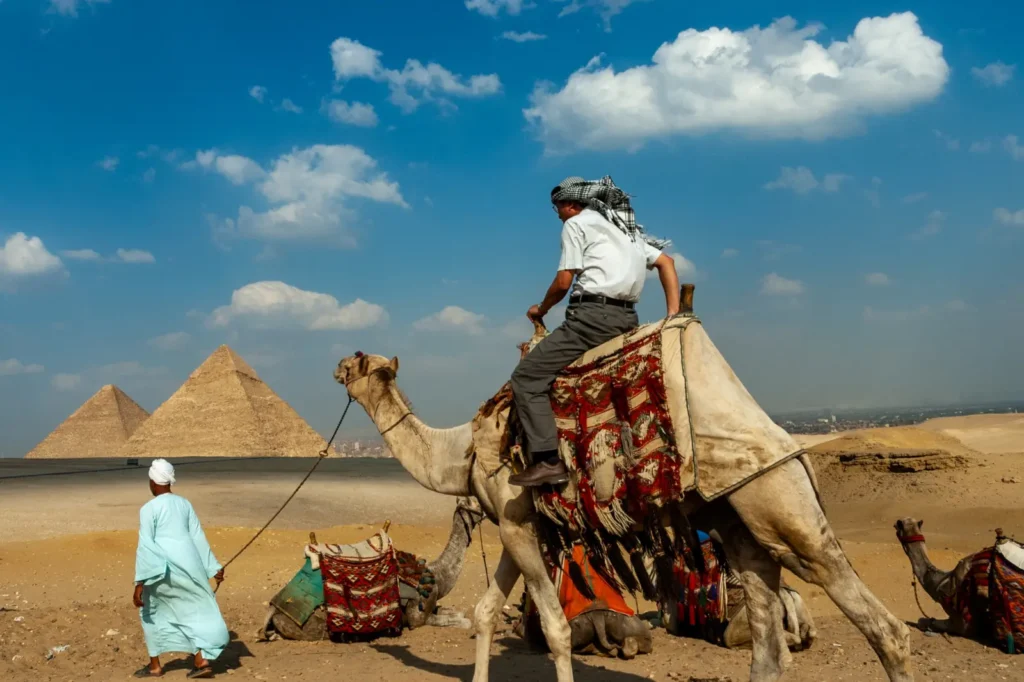
The “Nile Corridor,” which encompasses Cairo, Giza, Luxor, and Aswan, remains the heart of Egyptian tourism and is considered safe for travelers. Similarly, the Red Sea Riviera, including the sun-drenched resorts of Hurghada, Sharm El Sheikh, and Marsa Alam, operates as a secure haven for divers and sun-seekers alike. These areas are hundreds of miles from restricted zones and operate with the normalcy of any major international holiday destination. Whether you are gliding down the Nile on a traditional dahabiya or exploring the newly opened halls of the Grand Egyptian Museum, the atmosphere is one of discovery rather than distress.
Practical Wisdom for the Modern Explorer
Traveling to Egypt with confidence in 2026 also means staying informed through the right channels. US citizens are encouraged to enroll in the Smart Traveler Enrollment Program (STEP), while UK nationals can sign up for automated email alerts from the FCDO. These services provide real-time updates directly to your phone, ensuring you are never relying on outdated rumors.
Beyond the headlines, the most common “risks” in Egypt aren’t related to security, but rather to the enthusiastic nature of its street life. Learning a few polite phrases in Arabic, such as “La Shukran” (No, thank you), will serve you well when navigating the friendly persistence of market vendors. For transportation, using reputable ride-sharing apps like Uber in Cairo or pre-arranging transfers through your hotel provides an extra layer of comfort and price transparency. For women traveling solo, Egypt continues to be a destination where modest dress and a confident demeanor go a long way in ensuring a respectful and enjoyable experience.
Frequently Asked Questions
Is it safe to visit the Pyramids of Giza right now?
Yes, the Giza Plateau is one of the most heavily secured sites in the world. Security checks are standard for all visitors, and the area remains the crown jewel of Egyptian tourism, operating normally year-round.
How does the regional situation in the Middle East affect Egypt?
While regional tensions can occasionally lead to flight path adjustments or minor delays, Egyptian airspace and major international airports like Cairo (CAI) and Hurghada (HRG) remain fully operational. Egypt is geographically and politically distinct from its neighbors’ active conflict zones.
Are the Red Sea resorts like Sharm El Sheikh safe?
Absolutely. Resorts in the South Sinai and along the Red Sea coast are highly regulated “tourism zones” with their own security perimeters. They remain some of the most popular and safest spots for international travelers.
What should I do if the travel advisory level changes?
Most level changes are minor and reflect regional “caution” rather than an immediate threat to tourists. If you are booked with a reputable tour operator, they will monitor these levels for you and adjust itineraries if necessary to keep you well within safe zones.
A Final Thought on the Journey
Egypt has a way of putting modern worries into perspective. When you stand before the Temple of Philae at dusk, listening to the water lap against the stones as it has for thousands of years, the noise of the news cycle seems to fade. The 2026 advisories are a tool for preparation, not a barrier to entry. By staying informed, choosing the right paths, and traveling with an open heart, you aren’t just visiting a country—you are stepping into the very story of humanity.


