
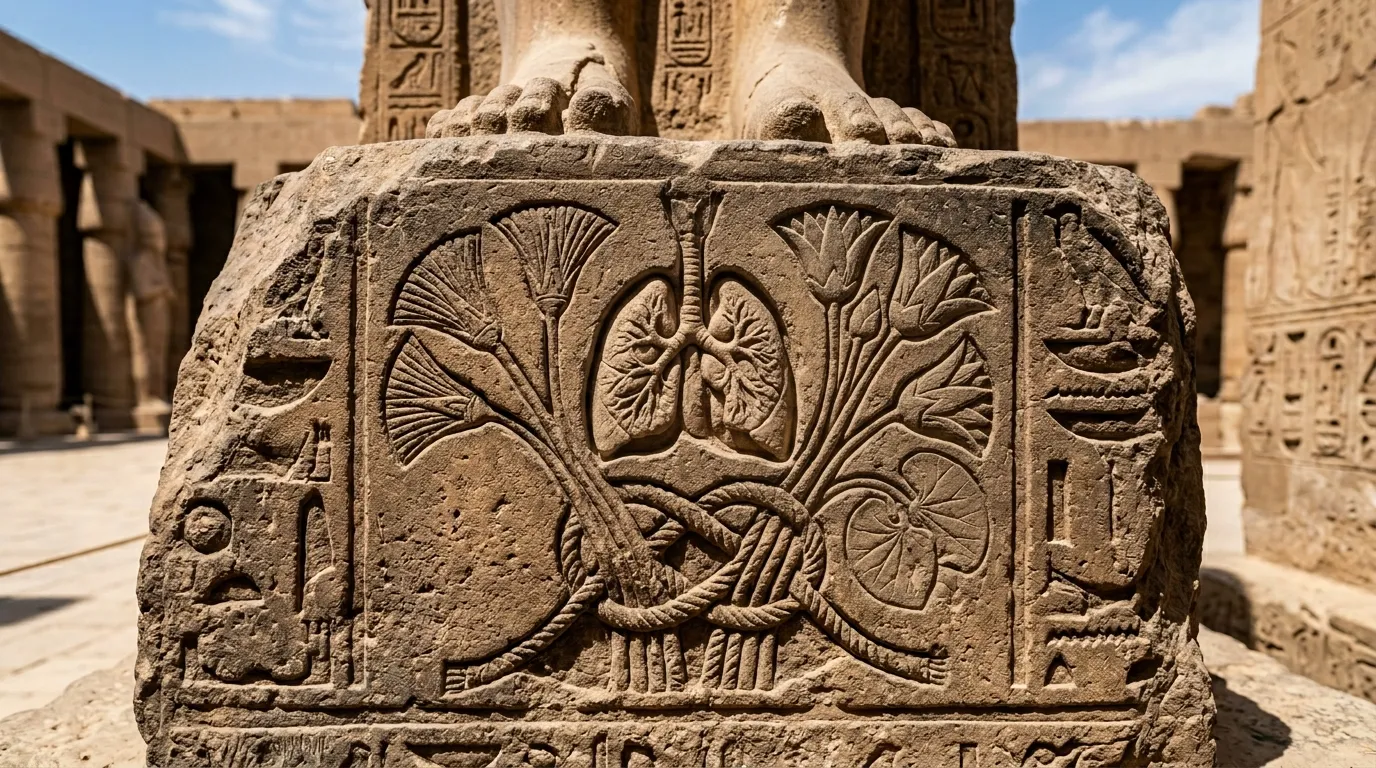
 blog
blogIf you’ve ever stood in front of an ancient wall in Egypt and wondered what those lines, shapes, and repeating motifs really mean, you’re not alone. Ancient Egypt signs—from symbolic carvings to sacred temple imagery—were never “decorations” by accident. They were storytelling tools, religious declarations, and visual instructions meant to connect everyday life to the divine.
The good news? You don’t need a degree in archaeology to enjoy them deeply. With the right guidance (and the right cruise itinerary), you can decode the temple and tomb highlights you’ll see along the Nile—turning quick photo stops into awe-filled, meaning-rich moments.
Why “Ancient Egypt Signs” Matter on Your Nile Cruise
Egyptian symbols communicated across time. A single sign could represent a god, a concept (like protection or life), a royal title, or a promise about the afterlife. On a Nile cruise, you’ll visit sites where these signs appear constantly—on temple columns, tomb ceilings, entry gateways, and burial chambers.
Understanding them transforms your experience in three ways:
- Faster comprehension: you recognize patterns instead of staring at random carvings.
- Deeper connection: you see the spiritual logic behind the artwork.
- Better memories: your photos become personal “chapters” in the story.
If you want a head start before you board, explore Ancient Egyptian Symbol Guide for Travelers: Understand What You’ll See. It’s an excellent companion for cruise days packed with visuals.
Temple Highlights: The Signs You’ll See First
Temples were designed to be read—like a living book. As you walk through courtyards and halls, you’ll notice symbols repeated with purpose: gateways lined with guardian imagery, wall reliefs showing offerings, and ceiling artwork linking the king to the gods.
The Ankh, the Key of Life
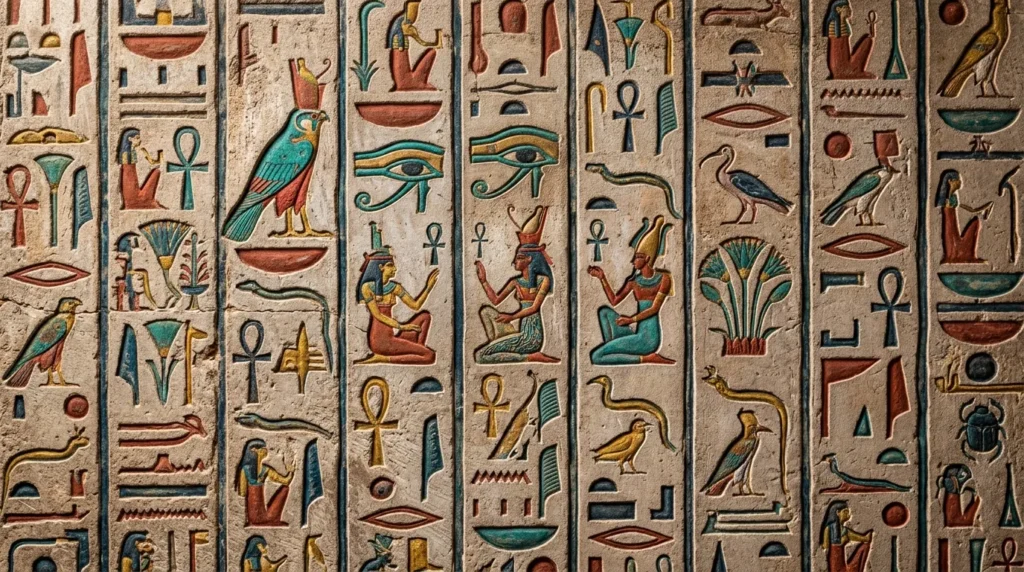
The ankh (often shaped like a looped cross) is one of the most recognizable ancient Egypt signs. It’s strongly associated with life, often shown in the hands of deities offering vitality to the pharaoh.
On a cruise, you’ll frequently see it in temple scenes where gods “grant” life or protection—helping you read the scene rather than just admire its beauty.
Eye of Horus: Protection and Restoration
Another frequent motif is the Eye of Horus, linked with protection, healing, and restoration after harm. When you spot it on temple walls or royal inscriptions, it often signals the safeguarding power of the divine.
Lotus and Papyrus: Order of the Cosmos
You’ll also notice the lotus and papyrus. These plants were more than nature imagery—they represented elements of Egyptian worldview, especially the emergence and organization of creation. Spotting them helps you understand why certain scenes “feel” structured and symbolic, not random.
Tomb Highlights: Signs That Speak to the Afterlife
Tombs were not just burial spaces; they were carefully designed environments for the journey beyond death. This is where ancient Egypt signs become especially powerful. Instead of “public storytelling,” tomb art often feels intimate, direct, and symbolic—like instructions for surviving the unknown.
Cartouches and Royal Names
Many visitors miss this at first, but it’s one of the most meaningful patterns. A cartouche—an oval frame around a name—identifies the pharaoh and anchors the royal identity in eternity. Seeing these repeatedly gives you a sense of continuity: the king’s name is treated as something that must endure.
Scarabs, Guardians, and Transitions
You may also encounter scarab imagery and protective symbols that act like guardians in the afterlife journey. These signs often appear in contexts involving transformation, renewal, and safe passage.
Ceilings and Star Patterns: Celestial Navigation
Look upward. Tomb ceilings may feature star symbols or celestial maps that reflect the idea of navigating the sky—an afterlife “route” guided by cosmic order. When you recognize those signs, your visit shifts from “watching art” to “reading a cosmological plan.”
To deepen this further, pair your visit with Ancient Egypt Religion Symbols: The Meaning Behind the Most Iconic Temple Imagery, where the meaning behind the most iconic temple visuals is explained with traveler-friendly clarity.
How to Decode What You See (Even If It’s Your First Trip)
You don’t need to memorize hieroglyphs to decode ancient Egypt signs. Use this simple approach during guided stops:
- Start with what repeats: if you see the ankh, the eye, or winged forms multiple times, focus on what they likely mean in context—life, protection, divine authority.
- Look for “who is doing what”: temple and tomb scenes usually show a deity granting, the king offering, or the deceased being guided.
- Track direction: walls and ceilings often reflect movement—processions, entrances, and transitions into sacred spaces.
- Ask one question: “What is this sign promising—life, protection, renewal, or passage?”
When you do this, the symbols stop being cryptic and start becoming a narrative you can follow.
Match the Right Cruise to Your Symbol-Spotting Style
To truly enjoy temple and tomb highlights, you need a cruise that balances time on shore with comfort on board. Choose an itinerary that prioritizes museum-quality access to Egypt’s most sign-rich locations, without rushing your learning moments.
If you want a hassle-free experience from day one, consider A Nile Cruise That’s Built for Comfort, Culture & Value. It’s designed for travelers who want meaningful sightseeing with the ease of well-planned logistics.
Planning from the right starting city can also affect your schedule and value. Learn more about timing and availability in Are There Nile Cruise Packages from Luxor? Get the Best Deals (and What’s Included).
Popular Options for an Immersive Nile Experience
Different boats deliver different vibes—especially if you want time for photography, slower walks through temples, and comfortable evenings to review what you saw.
- Intimate style: For a quieter, curated experience, see Assouan Dahabiya Nile Cruise: The Intimate Way to See Egypt in Style.
- Choose your perfect fit: Before booking, compare options with Assouan Dahabiya: Choose the Right Boat for Your Perfect Nile Escape.
- Premium and relaxed: If you want comfort with an easy pace, explore Amoura Dahabiya Nile Cruise: A Premium, Laid-Back Experience on the Water.
- Effortless journey: For travelers who want tours, transfers, and timing handled smoothly, check A Sarah Nile Cruise: Your Effortless Egypt Journey (Tours, Transfers & Timing).
- Made for couples & families: Learn why guests love the smoother flow in A Sara Nile Cruise: Why Couples & Families Love This Smooth Nile Experience.
Bring It All Together: Your “Decoded” Nile Cruise
The most unforgettable Nile cruises aren’t just about seeing Egypt—they’re about understanding it. When you can interpret ancient Egypt signs, each temple hall feels like a chapter, and each tomb scene feels like a message meant for you across thousands of years.
If you’re ready to jump straight into meaning, revisit Ancient Egypt Signs: Decode Temple & Tomb Highlights on Your Nile Cruise as your checklist for what to watch for during your shore excursions. Then, once you’re onboard, let curiosity lead: look closely, ask questions, and enjoy the moment when symbols become stories.
Your Nile journey is waiting—full of life, protection, and ancient secrets that finally start to make sense.


